
Small office organization ideas can help you create a comfortable, organized, and productive workspace. However, limited space can make it difficult to arrange furniture, store documents, manage office supplies, and maintain a clean working environment.
Whether you work from a small office, manage a shared workspace, or have a compact home office, proper organization can make your daily work easier. You do not always need expensive furniture or a large room to create a functional workspace. Simple changes in furniture placement, storage, and daily habits can make a significant difference.
In this guide, we will explore practical small office organization ideas to help you make better use of limited space and create an organized working environment.
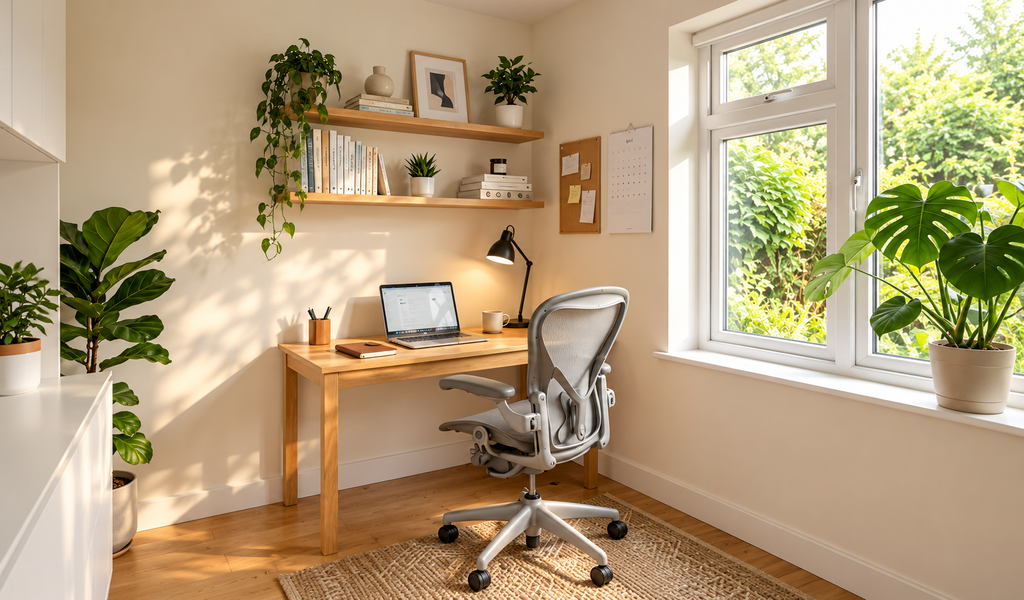
1. Small Office Organization Ideas
Before purchasing furniture or storage accessories, take time to understand the available space. Measure the room and identify the areas where desks, chairs, shelves, and other essentials can fit comfortably.
Avoid placing too much furniture in a small office. A crowded layout can restrict movement and make everyday tasks more difficult. Instead, focus on keeping frequently used areas accessible.
Consider placing desks against walls when appropriate, leaving enough room for chairs, and keeping pathways clear. If the office has an unused corner, you may be able to use it for a small workstation or storage unit.
A well-planned layout helps you use the available floor space efficiently without making the office feel overcrowded.
2. Choose Furniture That Fits the Space
Furniture plays an important role in small office organization. Large desks and bulky cabinets may take up valuable space that could be used for movement or additional workstations.
Choose furniture according to the room’s dimensions and the needs of the people using it. Compact desks, slim storage cabinets, and foldable tables can be useful options for smaller offices.
When selecting office furniture, consider the following:
- Choose desks that provide sufficient working space without occupying the entire room.
- Look for furniture with built-in drawers or shelves.
- Consider foldable or movable furniture when flexibility is important.
- Select chairs that allow comfortable movement around the desk.
- Avoid buying furniture that serves no clear purpose.
The goal is to create a practical workspace where every piece of furniture contributes to comfort, storage, or productivity.
3. Make Use of Vertical Storage
When floor space is limited, vertical storage can help you organize office supplies without adding unnecessary furniture.
Wall-mounted shelves, vertical file holders, and wall organizers can provide extra storage for documents, books, stationery, and other office essentials. These solutions help keep important items accessible while freeing up desk and floor space.
You can organize shelves by category. For example, keep frequently used documents on accessible shelves and store less frequently used materials in higher storage areas.
Before installing wall shelves, ensure that they are securely fitted and suitable for the wall structure. Avoid placing heavy items in unsafe positions.
Using vertical space thoughtfully can help you maintain an organized office without making the room feel crowded.
4. Keep Desks Clean and Clutter-Free
A cluttered desk can make it difficult to find documents, use equipment, and concentrate on daily tasks. Keeping the work surface clear is therefore one of the simplest ways to improve office organization.
Start by removing items that are not required for your current work. Store documents in labelled folders and keep stationery in a desk organizer. Place frequently used items within easy reach and move unnecessary objects elsewhere.
Try following these simple habits:
- Keep only essential items on the desk.
- Return office supplies to their designated places after use.
- Store paperwork in clearly labelled folders.
- Remove empty cups, wrappers, and unused materials.
- Spend a few minutes organizing the desk at the end of the day.
A clean desk creates more usable working space and makes it easier to maintain an orderly office. Using these small office organization ideas regularly can help maintain a neat and productive workspace.
5. Organize Cables and Electronic Equipment
Computers, chargers, monitors, printers, and other electronic devices can create cable clutter in a small office. Loose cables can also make cleaning more difficult and create tripping hazards.
Use cable clips, cable sleeves, or suitable cable organizers to keep wires arranged neatly. Position power strips safely and avoid overloading electrical outlets.
Place electronic equipment where it can be accessed easily without blocking pathways or taking up unnecessary desk space. If a printer is used occasionally, consider placing it on a separate stand or shelf rather than keeping it permanently on the main desk.
Good cable management improves the appearance of the workspace and helps keep the area safer and easier to maintain.
6. Use Storage Solutions for Shared Offices
Shared offices often require additional planning because several people may use the same room, desks, or equipment.
Assign specific storage areas for individual users whenever possible. Personal lockers, labelled drawers, document trays, and shared stationery containers can help prevent items from getting mixed up.
It is also useful to establish simple rules for shared areas. For example, users can return supplies after use, keep common desks clean, and avoid storing personal belongings in walkways.
If the office has limited space, consider arranging workstations in a way that provides enough room for chairs and movement. The arrangement should also allow people to access shared equipment without disturbing others unnecessarily.
A well-organized shared office can make better use of limited space while supporting a more comfortable working environment.
7. Create a Simple Filing and Document System
Paperwork can quickly occupy valuable space in a small office. Without a proper filing system, important documents may become difficult to locate.
Begin by separating documents into categories, such as current projects, financial records, client documents, and reference materials. Use labelled folders or compact file holders to keep them organized.
Where appropriate, digital document storage can reduce the need to keep unnecessary paper copies. Make sure digital files are named clearly and stored securely, especially when they contain confidential information.
Review your paperwork regularly and dispose of documents only when it is appropriate and permitted by your organization’s retention policies.
An effective filing system saves space and makes everyday administrative work more manageable.
8. Make the Office Comfortable and Well-Lit
An organized office should also be comfortable to use. Poor lighting, unsuitable seating, and restricted movement can make even a tidy workspace difficult to work in.
Whenever possible, make use of natural light. Add suitable task lighting if the desk is not sufficiently illuminated. Choose chairs and desks that support a comfortable working posture, and leave enough room to sit down and stand up without difficulty.
Avoid filling every available corner with furniture or storage. Some open space is necessary for safe movement and comfortable use of the office.
A practical layout should balance storage, functionality, lighting, and comfort rather than focusing only on appearance.
9. Maintain Your Organization with Daily Habits
Organizing a small office is not a one-time task. Regular maintenance helps prevent clutter from building up again.
Start each workday by placing essential materials where they are easy to access. At the end of the day, return supplies to their designated locations and remove unnecessary items from desks.
Once a week, review storage areas, reorganize documents, and identify items that are no longer needed. If the office is shared, encourage everyone to follow the same basic organization practices.
These habits require little time but can help maintain a functional workspace over the long term.
Conclusion
Making the most of a small office requires thoughtful planning, suitable furniture, effective storage, and consistent organization habits. By using vertical space, keeping desks clutter-free, managing cables, and creating a simple filing system, you can improve the functionality of your workspace without making major changes.
Every office has different needs, so the best organization method depends on the available space, the number of people using it, and the type of work being performed.
If you need help arranging a compact office or planning a more functional workspace, a workspace consultancy can help you explore layout and organization options suited to your requirements. These small office organization ideas can help reduce clutter, improve storage, and make everyday tasks easier.
A well-organized office is not about having more space. It is about making better use of the space you already have.
Follow us on Instagram for More info
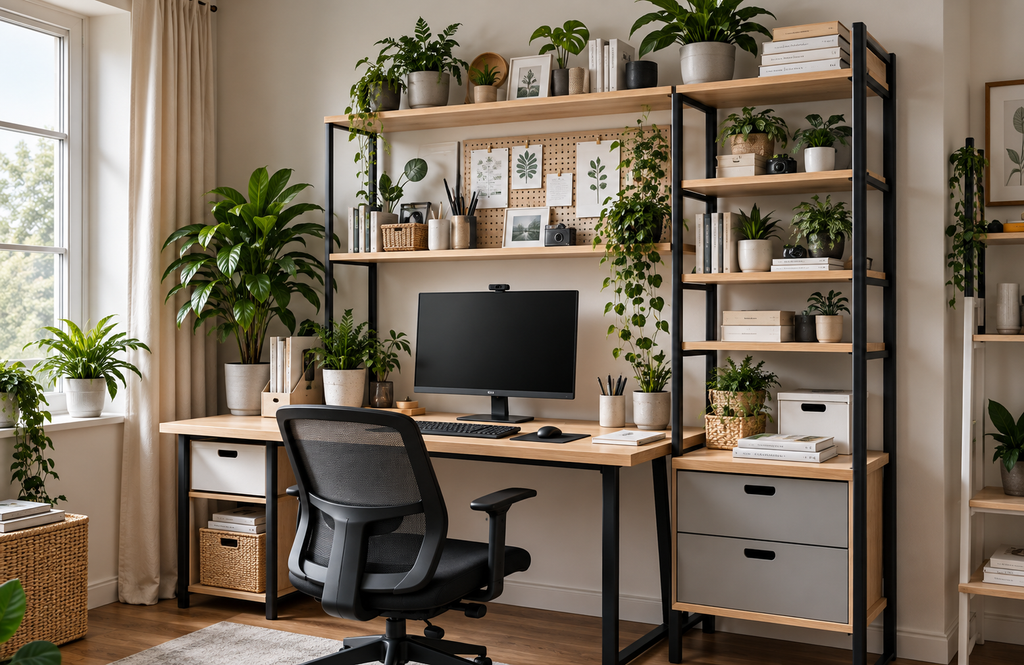
Pingback: Office Organization Ideas: 7 Smart Swaps